.png)
Understanding Pediatricians and Growth and Development Monitoring
A child can look healthy and still miss key growth or development milestones. That is why regular check-ups matter, even when there is no fever, cough, or clear illness.
Pediatricians do more than treat infections and prescribe medicines. They track how a child grows, learns, moves, eats, sleeps, speaks, and interacts. This steady monitoring helps families catch concerns early, support healthy habits, and understand what is normal for each stage of childhood.
This post is for general information only. It does not replace medical advice from a qualified doctor.

Pediatricians look after more than childhood illness
A pediatrician is a doctor trained in the care of babies, children, and adolescents. Their work covers illness, prevention, nutrition, behaviour, emotional wellbeing, and development.
In Pakistan, many families visit a child specialist when a child is sick. That care is vital, but routine visits are just as useful. A pediatrician can notice small changes before they become bigger problems.
Common areas pediatricians assess include:
Growth
Weight, length or height, head size in babies, and body proportions.
Development
Sitting, walking, speaking, playing, learning, and social interaction.
Nutrition
Breastfeeding, formula feeding, weaning foods, appetite concerns, and dietary gaps.
Prevention
Immunisations, safety advice, hygiene, sleep habits, and screening.
Family guidance
Support for common concerns such as colic, picky eating, toilet training, screen time, and school readiness.
A good visit is not only about finding a disease. It is also about building a clear picture of the child over time.
Growth monitoring shows patterns over time
One weight reading does not tell the whole story. Growth monitoring works best when measurements are recorded regularly and compared with standard growth charts.
Pediatricians usually check:
Measurement | Why it matters |
Weight | Shows whether a child is gaining, losing, or staying static |
Length or height | Helps assess long-term growth |
Head circumference | Useful in babies and young toddlers |
Body mass index | Often used for older children and adolescents |
The key is the growth curve. A child may naturally be small or tall compared with others. That alone may not be a concern. What matters is whether the child follows a steady pattern.
For example, a baby who has always been on a lower growth line but feeds well, sleeps normally, and meets milestones may simply be growing at their own pace. By contrast, a child who suddenly drops across growth lines may need a closer look.
Possible reasons for poor growth include feeding difficulty, repeated infections, digestive problems, food insecurity, chronic illness, or hormonal concerns. Rapid weight gain also needs attention, especially if it comes with low activity, sugary drinks, irregular sleep, or family history of metabolic disease.
In growth and development monitoring, pediatricians combine numbers with the child’s full story. A chart helps, but the child in front of the doctor matters most.
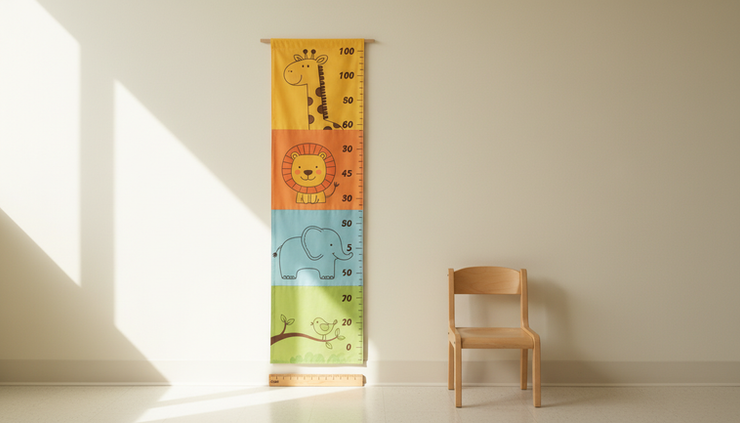
Development monitoring checks how a child learns and interacts
Development is about skills. These skills appear in stages, though every child has their own pace. Pediatricians look at broad areas rather than one isolated action.
The main development areas include:
Gross motor skills
Holding the head, rolling, sitting, crawling, standing, walking, running, and jumping.
Fine motor skills
Reaching, grasping, picking up small objects, scribbling, using utensils, and dressing.
Language
Cooing, babbling, saying words, joining words, understanding instructions, and conversation.
Social and emotional skills
Smiling, eye contact, pretend play, sharing attention, managing frustration, and bonding.
Cognitive skills
Problem solving, memory, curiosity, matching, sorting, and early learning.
A delay in one area does not always mean a serious condition. Some children speak later but understand well. Some walk a little later but have normal strength and balance. Still, delays should not be ignored.
Early support can make a major difference. A pediatrician may suggest hearing or vision checks, nutrition assessment, speech therapy, physiotherapy, developmental screening, or referral to a specialist.
Parents and caregivers can also help by sharing what they see at home. Videos of movement, feeding, play, or speech can be useful during appointments. The clinic visit is short, but daily life gives richer clues.

Regular visits make prevention easier
Routine paediatric visits are often timed around age, immunisations, and key development stages. The exact schedule can differ, but the purpose stays the same. Doctors check whether growth is on track, development is age-appropriate, and preventive care is up to date.
These visits are a chance to discuss everyday issues before they affect health. For young babies, that may include feeding, jaundice, weight gain, sleep position, and vaccination timing. For toddlers, it may include speech, tantrums, picky eating, toilet training, and injury prevention. For school-age children, the focus may shift towards learning, activity, dental care, sleep, posture, and emotional wellbeing.
In Pakistan, families may also need guidance on seasonal infections, safe water, diarrhoea prevention, anaemia risk, and nutrition during weaning. Pediatricians can help adapt advice to family routines, local food choices, and access to care.
Parents should seek medical advice sooner if they notice warning signs such as:
Poor feeding or repeated vomiting
No weight gain over time
Loss of previously learned skills
No response to sound
Very limited eye contact or social interaction
Delayed walking with stiffness or weakness
Persistent tiredness, breathlessness, or frequent infections
These signs do not confirm a diagnosis, but they do deserve assessment.

How families can make each visit more useful
A paediatric appointment works best when information is clear. Before a visit, it helps to note changes in appetite, sleep, stool pattern, activity, speech, school behaviour, and mood.
Bring the child’s vaccination card, previous prescriptions, test reports, and any growth records if available. For babies, details about feeding are especially helpful, including how often the baby feeds, wet nappies, and any vomiting or choking.
It also helps to ask direct questions, such as:
Is my child’s growth pattern steady?
Are the current milestones age-appropriate?
Does feeding need any change?
Are supplements needed?
Which vaccines are due next?
When should we come back?
Pediatricians are most effective when families return for follow-up. One visit may identify a concern, but follow-up shows whether advice, treatment, or therapy is working.
The main takeaway
Growth and development monitoring is a quiet form of protection. It helps pediatricians see the full picture of a child’s health, not only the illness of the day.
Regular check-ups can reassure families when growth is normal, guide feeding and care when support is needed, and detect delays early enough for timely help. A child’s progress is built month by month, and a pediatrician helps make that progress visible.


Comments