.png)
A Parent’s Guide to Diagnosing and Treating Childhood Illnesses
A child can seem fine at breakfast and feverish by lunch. For parents, the hardest part is often deciding what the symptoms mean, what can be managed at home, and when to seek medical care.
This guide is for general information only. It does not replace advice from a paediatrician or qualified healthcare professional. When a child looks seriously unwell, trust that concern and get medical help.
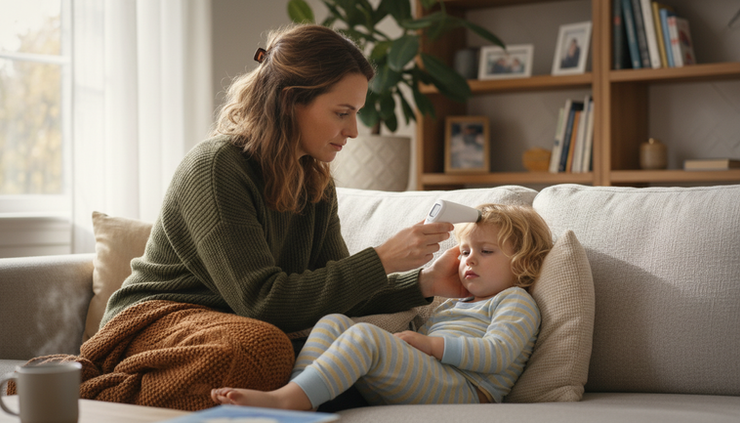
Start with careful observation before assuming a diagnosis
Most childhood illnesses begin with simple signs: fever, cough, runny nose, vomiting, diarrhoea, rash, ear pain, sore throat, or tiredness. The same symptom can appear in many conditions, so diagnosis starts with the full picture.
Look at these details:
Temperature
Use a thermometer rather than guessing by touch. Note the reading and time.
Breathing
Watch for fast breathing, chest indrawing, wheezing, grunting, or pauses in breathing.
Hydration
Fewer wet nappies, very dark urine, dry mouth, no tears when crying, or unusual sleepiness can suggest dehydration.
Behaviour
A child who plays a little between fever spikes is different from a child who is limp, confused, or difficult to wake.
Duration
Symptoms that persist, worsen, or return after improving need closer attention.
Writing down symptoms can help during a clinic visit. Include medicines given, doses, allergies, recent travel, known exposure to infections, and vaccination history.
Common childhood illnesses and what they often look like
Many childhood illnesses are caused by viruses and settle with supportive care. Others need medical treatment. The goal of diagnosing and treating childhood illnesses is not to label every sniffle at home, but to spot patterns and danger signs early.
Illness | Common signs | Usual care |
Common cold | Runny nose, mild cough, low fever, sneezing | Fluids, rest, saline drops, fever medicine if needed |
Flu-like illness | Fever, body aches, cough, weakness | Rest, fluids, medical advice for high-risk children |
Gastroenteritis | Vomiting, diarrhoea, stomach cramps | Oral rehydration solution, small frequent sips, watch dehydration |
Ear infection | Ear pain, fever, crying at night, pulling the ear | Pain relief, doctor review, antibiotics only if prescribed |
Throat infection | Sore throat, fever, swollen glands, poor appetite | Fluids, pain relief, doctor review if severe or persistent |
Dengue-like fever | High fever, body pain, headache, rash, vomiting | Medical review, avoid self-medicating with ibuprofen or aspirin |
In Pakistan, hot weather, mosquito-borne illnesses, contaminated water, and seasonal respiratory infections can all affect children. Clean drinking water, handwashing, mosquito protection, and routine vaccines reduce many risks.

Treat symptoms safely at home when it is appropriate
Home care works best when symptoms are mild and the child is alert, drinking, passing urine, and breathing comfortably.
For fever, dress the child lightly, offer fluids, and keep the room comfortable. Paracetamol can help with fever or pain when given in the correct dose for the child’s weight. Do not give aspirin to children unless a doctor specifically advises it. Avoid giving multiple cough, cold, or fever medicines together unless a healthcare professional confirms they are safe.
For vomiting or diarrhoea, offer small frequent sips of oral rehydration solution. A few teaspoons every few minutes can work better than a large glass at once. Continue breastfeeding or regular feeding when possible. Avoid sugary drinks as a main fluid replacement because they can worsen diarrhoea.
For cough and cold symptoms, saline nose drops, fluids, and rest may help. Honey can soothe cough in children over one year old, but it should not be given to babies under one year.
Antibiotics do not treat viral infections. Using them without a prescription can cause side effects and make future infections harder to treat. If a doctor prescribes antibiotics, complete the course as directed.
Know the warning signs that need urgent care
Some symptoms should not be watched at home. Seek urgent medical help if a child has any of the following:
Difficulty breathing, blue lips, severe wheezing, or chest indrawing
Seizure, fainting, confusion, extreme drowsiness, or a stiff neck
Fever in a baby under three months
Signs of dehydration, such as no urine for many hours, sunken eyes, or lethargy
Persistent vomiting, green vomit, blood in vomit, or blood in stool
Severe abdominal pain, especially if it is worsening or localised
A rash that does not fade when pressed, or a rapidly spreading rash
Fever lasting more than a few days, or fever that improves then returns
Severe headache, eye pain, bleeding gums, or unusual bruising during dengue season
Any injury with loss of consciousness, repeated vomiting, or unusual behaviour
A parent’s instinct matters. If a child looks “not right” even without a clear symptom, it is reasonable to seek care.
Work with the doctor for a clearer diagnosis
A paediatrician may diagnose an illness through history and examination alone. Sometimes tests help, such as a blood test, urine test, throat swab, stool test, malaria test, dengue test, or chest X-ray. The right test depends on symptoms, age, season, location, and examination findings.
During the visit, ask clear questions:
What is the most likely cause?
What symptoms should improve first?
Which signs mean we should come back urgently?
What dose of medicine should be given, and how often?
Are any medicines unsafe for this child?
When should school or daycare resume?
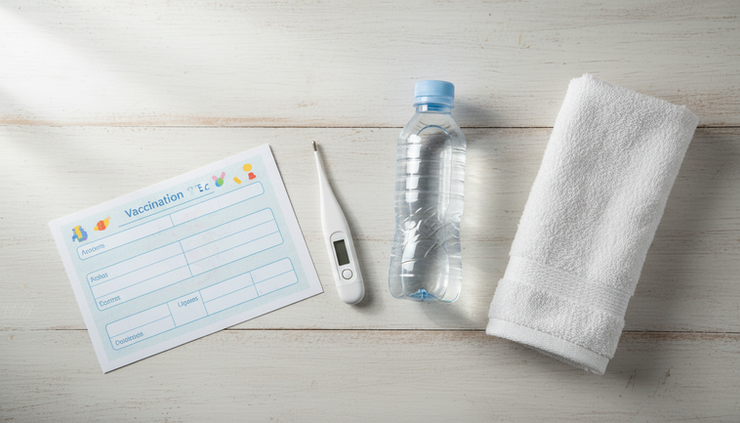
Bring the child’s vaccination record if available. Routine immunisation protects against serious infections such as measles, polio, diphtheria, pertussis, tetanus, hepatitis B, and other vaccine-preventable diseases included in local schedules.
Prevention is part of treatment
Good care does not begin only after illness starts. Simple habits reduce repeated infections and complications.
Encourage regular handwashing, especially before meals and after using the toilet. Use safe drinking water. Keep food covered. Protect children from mosquito bites with nets, window screens, long sleeves, and removal of standing water. Keep sick children home when they have fever, vomiting, diarrhoea, or a contagious rash.
Sleep, nutrition, and vaccines also matter. Children recover better when they are well nourished and not missing key immunisations. If a child gets frequent infections, poor weight gain, persistent fever, or repeated hospital visits, schedule a medical review rather than treating each episode separately.
The practical takeaway for parents
Childhood illnesses are common, but they should still be taken seriously. Start with calm observation, treat mild symptoms safely, and watch for warning signs. Keep medicines simple, avoid unnecessary antibiotics, and ask for medical advice when symptoms are severe, unusual, or not improving.
The best approach is steady and practical: know the basics, keep good records, follow vaccination schedules, and seek help early when a child’s condition feels worrying.


Comments