.png)
Maximizing Efficiency in Warehousing and Distribution Strategies

Efficient warehousing and distribution are critical for businesses aiming to meet customer demands quickly while controlling costs. Many companies struggle with delays, inventory errors, and high operational expenses that hurt their competitiveness. Improving these areas requires clear strategies that focus on organization, technology, and process management.
Organizing the Warehouse for Speed and Accuracy
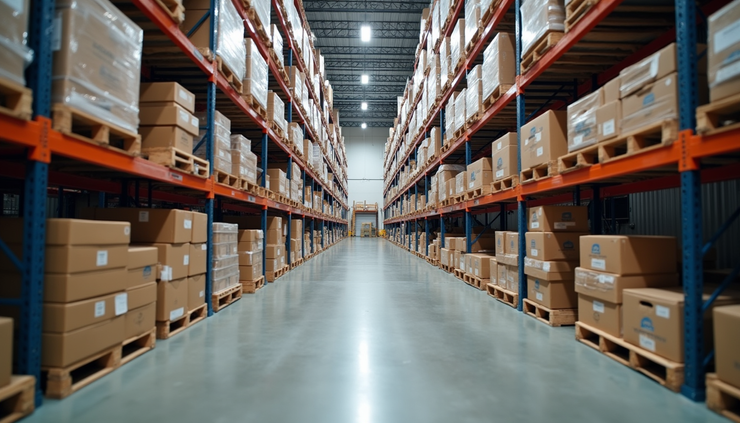
A well-organized warehouse reduces the time workers spend searching for products and minimizes picking errors. Start by grouping items based on demand frequency. Place fast-moving products near packing stations to speed up order fulfillment. Use clear labeling and signage to help workers navigate quickly.
Implementing a slotting system can improve space use and picking efficiency. For example, grouping similar items or those often ordered together reduces travel time inside the warehouse. Regularly review and adjust the layout based on changing inventory trends.
Using Technology to Support Operations
Technology plays a key role in improving warehousing and distribution. Warehouse Management Systems (WMS) track inventory in real time, helping avoid stockouts and overstock situations. Barcode scanners and RFID tags speed up data entry and reduce human error.
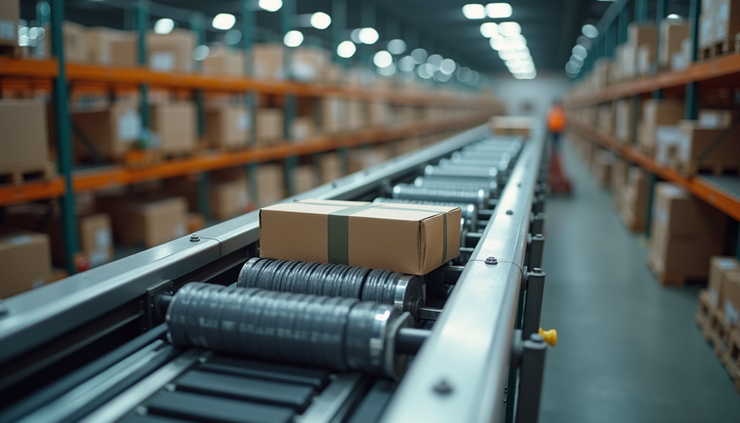
Automated guided vehicles (AGVs) and conveyor belts can move goods faster and reduce manual labor. For instance, a mid-sized retailer saw a 30% increase in order processing speed after introducing barcode scanning and automated sorting.
Streamlining Distribution for Faster Delivery
Distribution efficiency depends on smart route planning and reliable transportation. Use software that analyzes traffic, delivery windows, and vehicle capacity to plan routes that save time and fuel. Consolidate shipments when possible to reduce costs.
Partnering with local carriers can improve last-mile delivery speed. For example, a food distributor reduced delivery times by 20% by using smaller vehicles for urban areas, allowing quicker access to customers.
Clear communication between warehouse staff, drivers, and customers is essential. Real-time tracking updates help manage expectations and improve customer satisfaction.


Comments